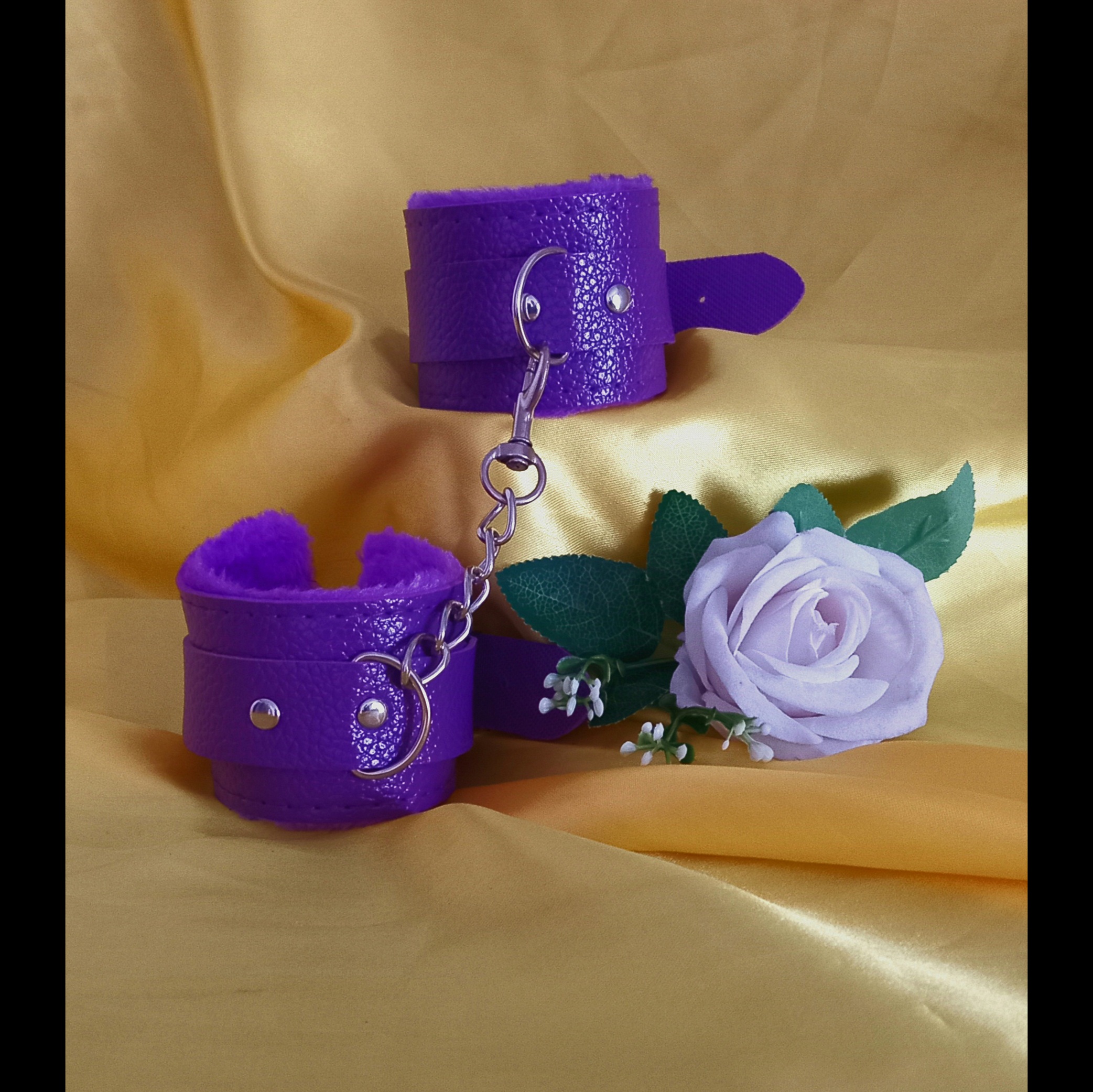
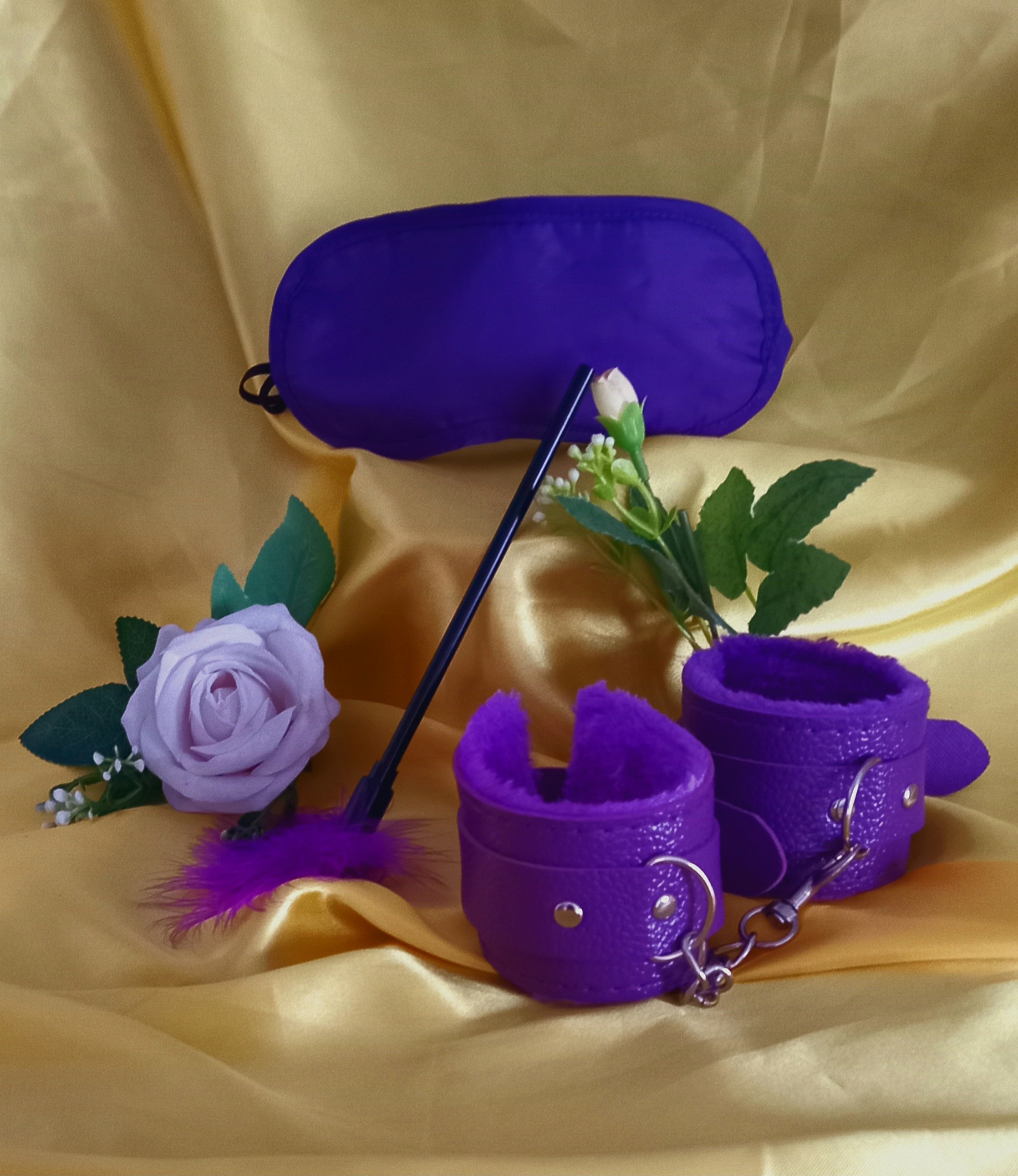
| Options | Items can be sold in a set or separately |
|---|
3 in stock (can be backordered)
BDSM wrist cuffs are a common accessory used in bondage play within consensual adult relationships. When used safely and with clear consent, people report several benefits:
Bondage activities, including using wrist cuffs, require clear communication, consent, and trust between partners. This process can strengthen emotional connection and deepen intimacy.
Within BDSM dynamics, wrist cuffs can symbolize or facilitate dominant–submissive role play, which many participants find psychologically engaging or exciting.
Restricting arm movement (a form of Bondage) can increase awareness of touch and anticipation. When one partner has limited movement, other sensations may feel more intense.
Cuffs can introduce new experiences and variety into a couple’s intimate life, helping partners explore fantasies or different relationship dynamics in a structured way.
Purpose-made cuffs are often padded, adjustable, and designed to avoid cutting off circulation, making them safer than using items not intended for restraint.
Important safety practices
Always use clear consent and discuss boundaries beforehand.
Agree on a safe word or signal.
Avoid tightening cuffs enough to restrict circulation or cause numbness.
Never leave a restrained person unattended.
Keep quick-release mechanisms or safety scissors nearby.
When choosing safe BDSM wrist cuffs, the main things to evaluate are materials, closures, padding, and hardware quality. These factors affect comfort, safety, and how quickly someone can be released if needed.
Best options
Leather (full-grain or genuine) – durable, strong, and molds to the wrist over time. Many quality cuffs use thick leather with reinforced stitching.
Neoprene / fabric / nylon – soft, flexible, and beginner-friendly; often machine washable.
PU or vegan leather – cheaper and easy to clean but usually less durable.
Advanced option
Metal (stainless steel) – extremely durable but rigid and less forgiving; best for experienced users.
Tip:
For beginners, soft fabric or padded leather cuffs are generally the safest starting point.
Choose cuffs with secure but quick-release mechanisms.
Good options:
Buckles – strong and adjustable; common in leather cuffs.
Velcro – very quick to remove and beginner-friendly.
Snaps or clips – allow fast release in emergencies.
Avoid:
Cheap plastic clips that can break under tension.
Locking mechanisms without an easy backup release.
Safety experts recommend cuffs with quick-release systems so a restrained partner can be freed immediately if needed.
Good cuffs should have soft internal lining such as:
Fleece or faux-fur lining
Lambskin or suede
Cotton or foam padding
Padding spreads pressure across the wrist and prevents the cuff from digging into skin during movement.
Also look for cuffs that:
Are wide (about 4–6 cm) so pressure is distributed.
Have smooth interior surfaces so metal parts don’t touch the skin.
Look for:
Stainless steel or solid brass rings and buckles (rust-resistant and strong).
Double stitching or reinforced rivets at stress points.
D-rings for attaching chains or ropes.
Avoid:
Thin metal rings
Cheap zinc alloy hardware
Before using cuffs:
Follow the two-finger rule: you should be able to slide two fingers between cuff and wrist.
Check circulation every 10–15 minutes.
Place cuffs above the wrist bone on the forearm side, not directly on the joint.
Beginner-friendly combination
Padded leather or neoprene cuffs
Buckle or Velcro closure
Wide design (4–6 cm)
Stainless steel D-rings