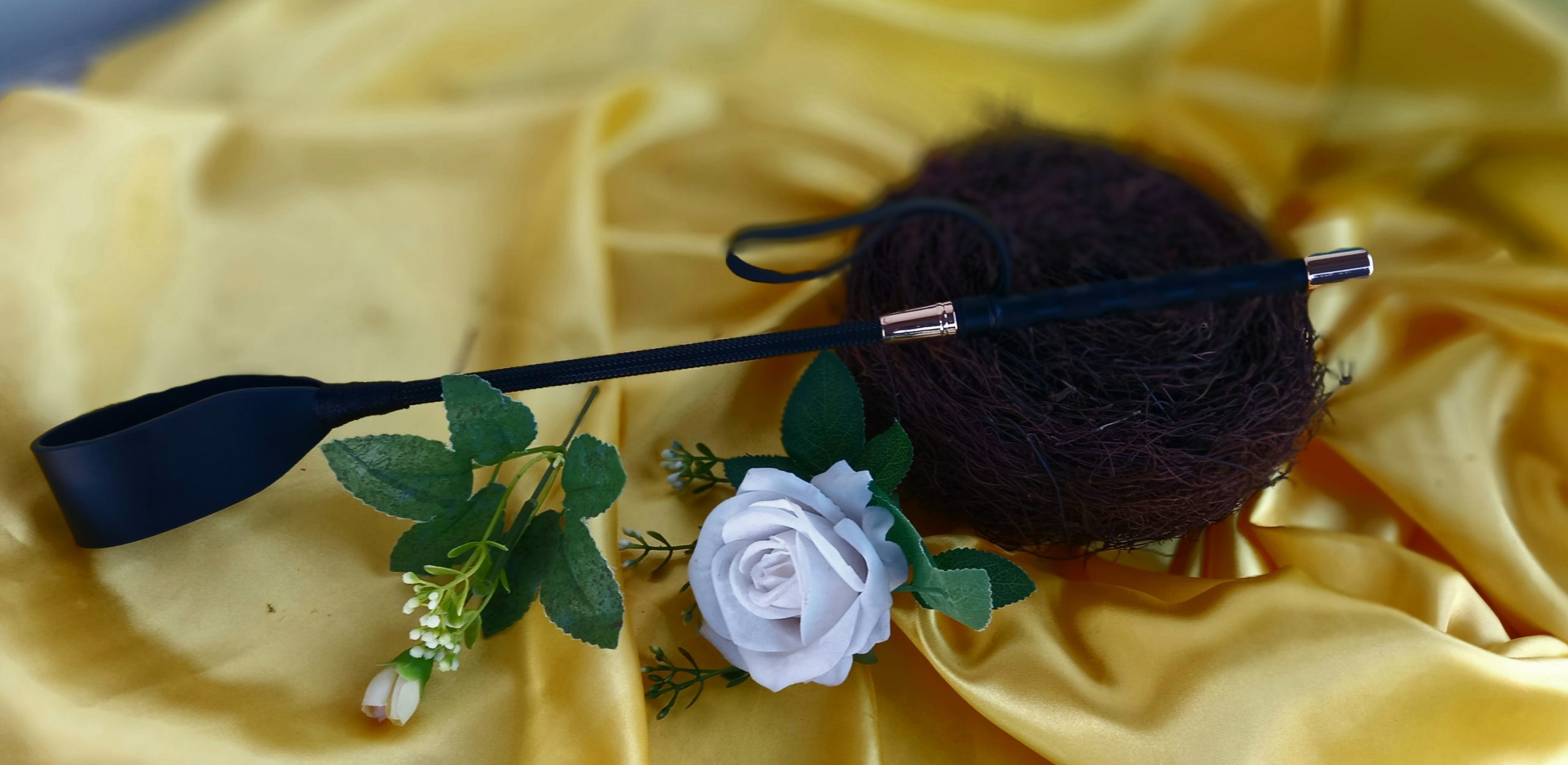
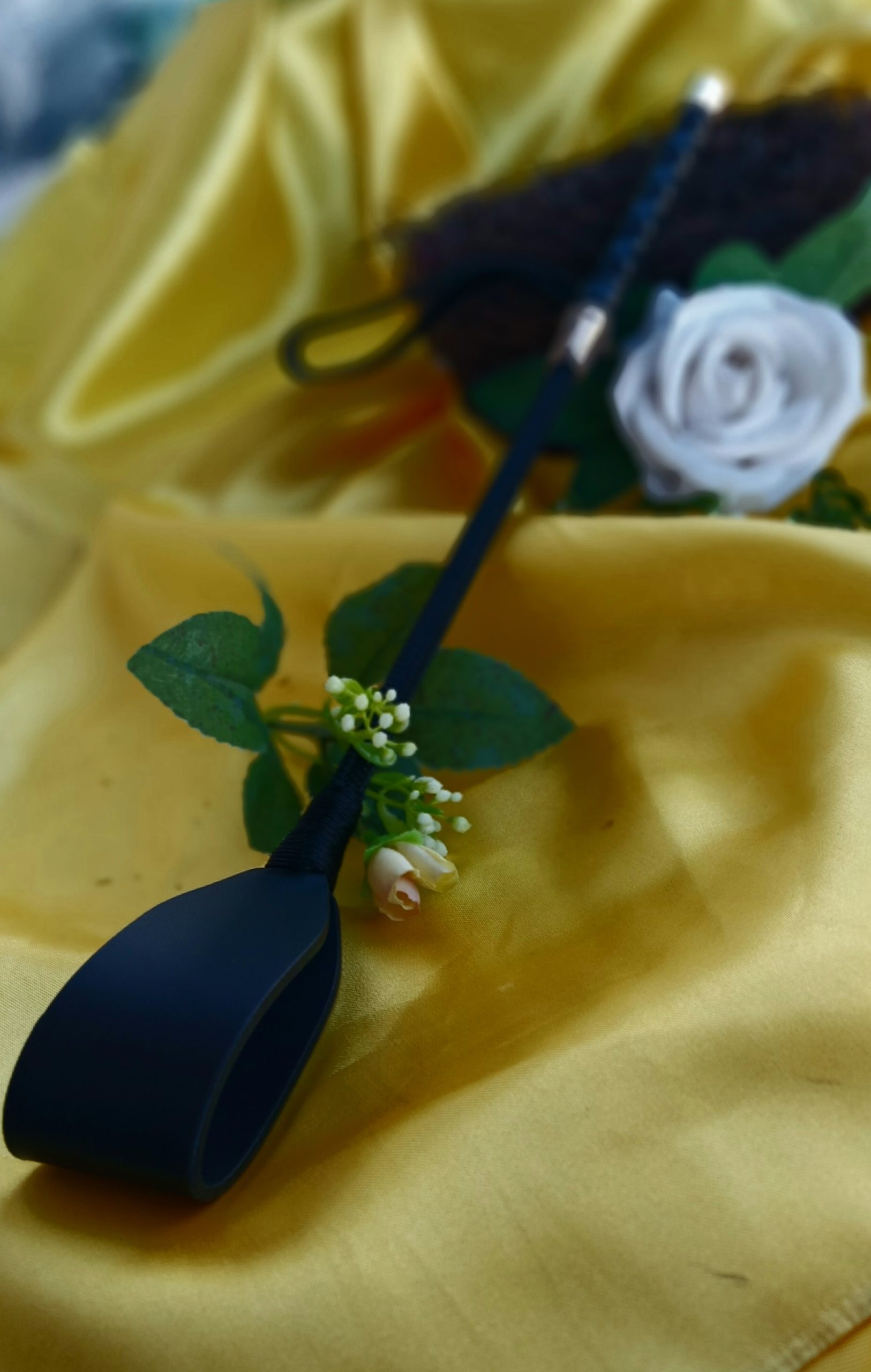
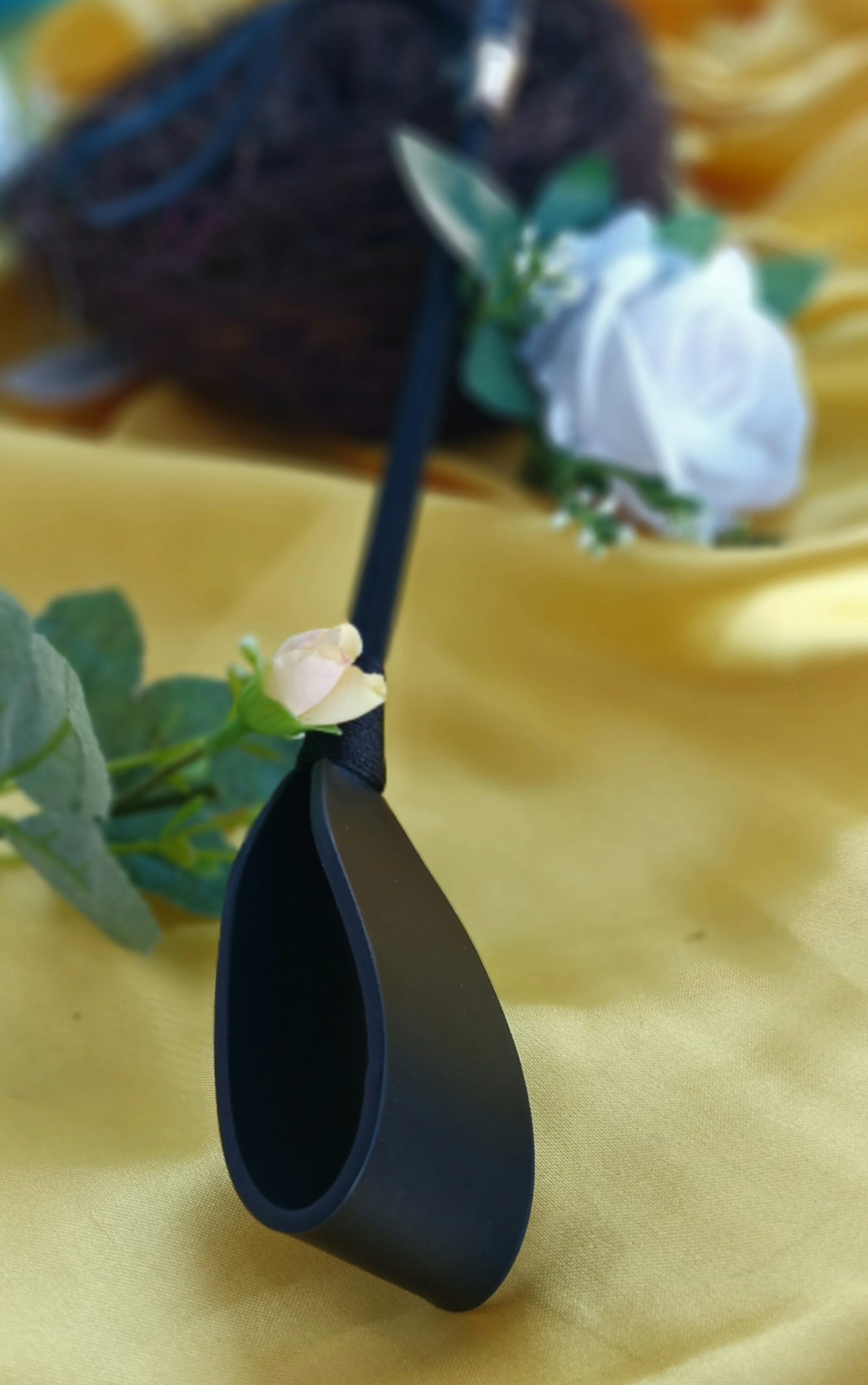
4 in stock
Using a riding whip in a sexual context is usually part of BDSM or impact play. For consenting adults, some people enjoy it because it can add physical sensations, psychological excitement, and trust-building elements to intimacy. Here are some commonly mentioned benefits when it’s practiced safely and consensually:
A riding whip delivers a sharp, stinging sensation that some people find exciting. The contrast between light touches and stronger strikes can increase body awareness and sensitivity.
For couples who enjoy dominant–submissive dynamics, a whip can symbolize authority or control. This can make roleplay or power exchange feel more immersive.
Impact play can trigger the body to release endorphins and adrenaline, which may create feelings of euphoria, excitement, or relaxation afterward.
Practicing BDSM activities like whipping requires clear consent, boundaries, and communication. Many couples report that this level of discussion strengthens trust and intimacy.
Adding tools like a riding whip can introduce new sensations and scenarios, helping couples keep their sex life more varied and exciting.
✅ Important safety tips
Always get clear consent from everyone involved.
Agree on a safe word to stop immediately if needed.
Avoid sensitive areas like the face, spine, neck, kidneys, and joints.
Start light and slow, especially if you’re inexperienced.
Check in with your partner before, during, and after.
Design: Long, thin, flexible strip (often leather) with a handle; can have a single tail (like a classic “bullwhip”) or multiple tails.
Sensation: Sharp, stinging, intense; delivers a quick, pinpoint impact.
Use: Best for small target areas and those experienced with impact play; more advanced due to precision needed to avoid injury.
Example: Classic equestrian whip or a short single-tail whip.
Design: Short, stiff handle with a narrow, flexible leather (or synthetic) tip. Usually under 2 feet long.
Sensation: Sharp but slightly less intense than a whip; delivers precise, focused strikes.
Use: Common in BDSM for targeted impact, often on the buttocks or thighs; easier for beginners to control than a whip.
Example: Equestrian riding crop.
Design: Flat, wide piece of wood, leather, or silicone with a handle. Comes in various sizes.
Sensation: Thud-like or heavy impact rather than stinging; distributes force over a wider area.
Use: Good for beginners; hits are felt across a larger surface area, often on buttocks or thighs. Can leave temporary marks (redness) but usually less sharp pain.
Example: Leather spanking paddle, wooden paddle.
Design: Handle with multiple tails (strands) made of leather, suede, rubber, or rope. Tail length and thickness vary.
Sensation: Can range from thuddy (heavier tails) to stingy (thin, flexible tails) depending on material.
Use: Popular in BDSM for rhythmic impact play; allows for creative patterns and sensations; beginner-friendly if tails are thick and soft.
Example: Suede flogger with 10–20 tails.
| Tool | Sensation | Surface Area | Difficulty | Typical Use |
|---|---|---|---|---|
| Whip | Sharp, stinging | Small | High | Experienced impact play, precise stings |
| Crop | Sharp, precise | Small | Medium | Targeted strikes on butt/thighs |
| Paddle | Thuddy, heavy | Large | Easy | Beginners, broader impact |
| Flogger | Variable | Medium | Medium | Rhythmic, playful, adjustable intensity |
Mistake: Jumping straight into play without a clear discussion.
Why it matters: Consent is the foundation of safe BDSM. Without it, you risk emotional trauma or violating boundaries.
Fix: Always have a pre-play conversation about limits, safe words, and what sensations are okay.
Mistake: Assuming “stop” or “no” isn’t needed.
Why it matters: During play, people may not want to verbally stop immediately; a safe word provides a clear, non-ambiguous signal.
Fix: Agree on a simple safe word (like “red” for stop, “yellow” for slow down) before starting.
Mistake: Hitting the face, neck, spine, kidneys, joints, or breasts without care.
Why it matters: These areas are vulnerable to serious injury.
Fix: Stick to fleshy, muscular areas like the buttocks, thighs, upper back. Avoid the lower back near kidneys and the spine.
Mistake: Starting with maximum force or long sessions without preparation.
Why it matters: Can cause bruising, welts, or even more serious injuries.
Fix: Start light, gradually increase intensity, and check in with your partner.
Mistake: Using whips, paddles, or floggers incorrectly—e.g., snapping too close, striking unevenly, or missing the target area.
Why it matters: Can cause painful surprises, burns, or accidental injury.
Fix: Practice control on a pillow or yourself first; focus on aim, rhythm, and distance.
Mistake: Ending play abruptly without addressing the partner’s physical and emotional needs.
Why it matters: Impact play can be intense and cause a drop in adrenaline, leaving a partner feeling shaken or vulnerable.
Fix: Provide aftercare: cuddling, soothing words, hydration, applying lotion to reddened skin, or simply talking about the experience.
Mistake: Using cracked, frayed, or unsafe equipment.
Why it matters: Can cut or injure unexpectedly.
Fix: Inspect tools before use; keep leather conditioned and replace damaged gear.
Mistake: Assuming your partner can handle intensity similar to your preference.
Why it matters: Everyone has different pain tolerance and emotional comfort levels.
Fix: Communicate, start slow, and ask for feedback frequently.
💡 Pro tip: Many beginners benefit from using thicker floggers or paddles first, then moving to crops and whips once both partners are comfortable with sensation and timing.