
How beginners safely introduce blindfolds into BDSM

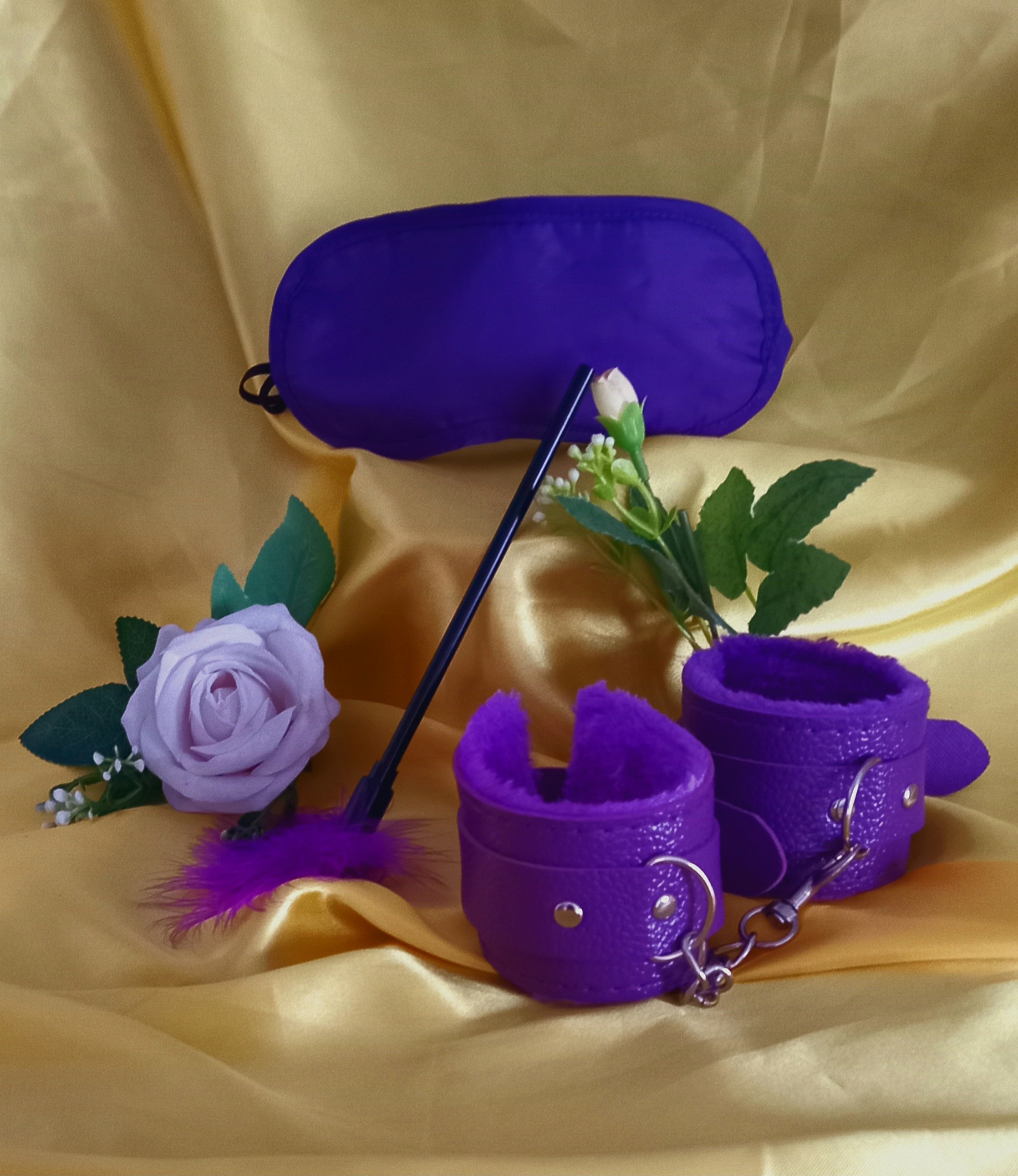
| Options | Can be sold as a set |
|---|
3 in stock (can be backordered)
A blindfold is a common accessory in BDSM and other consensual intimacy practices. When used safely and with consent, it can have several psychological and sensory benefits:
When vision is blocked, the brain often becomes more sensitive to touch, sound, smell, and temperature. This can make light touches, kisses, or sensations feel more intense and exciting.
Not knowing what will happen next can create anticipation and suspense, which many people find very stimulating. The surprise element can make experiences feel more novel.
Blindfolding can increase the feeling of trust between partners, since the person wearing it is placing themselves in a vulnerable position and relying on their partner’s care and communication.
Some people feel less worried about how they look or how they’re performing when they can’t see their partner. This can help them relax and focus on sensations rather than appearance.
Without visual distractions, it’s easier to focus on the moment and bodily sensations, which can deepen the experience.
In BDSM contexts, a blindfold can reinforce dominance and submission dynamics, since the blindfolded person temporarily gives up control over what they can see.
Always use clear consent and discuss boundaries beforehand.
Have a safe word or signal.
Ensure the person wearing the blindfold can breathe comfortably and isn’t left alone.
Check in regularly
Beginners can introduce a blindfold in BDSM in a simple, low-pressure way that focuses on communication, comfort, and trust. Here are some practical steps many people follow:
Before trying anything:
Discuss boundaries, interests, and limits.
Agree on a safe word (a word that immediately stops the activity).
Talk about what each person is curious about and what is off-limits.
You don’t need special equipment at first. Beginners often use:
a soft sleep mask
a scarf or cloth
Make sure it:
isn’t tight
doesn’t block breathing
can be removed quickly.
Do it somewhere comfortable like a bedroom where the blindfolded person already feels safe. Avoid complicated scenarios at first.
For the first time:
keep it brief and gentle
check in frequently
focus on light sensory experiences like touch, temperature, or soft sounds.
This helps the blindfolded person get used to the feeling of not seeing what’s happening.
The person in control should:
guide movements carefully
warn before moving the blindfolded partner
avoid leaving them standing or walking around alone.
Even with a safe word, it’s good to ask things like:
“Are you okay?”
“Do you want to continue?”
Tone of voice and body language also help communicate comfort.
Aftercare means checking in emotionally and physically afterward.
Examples:
cuddling
talking about what felt good or uncomfortable
offering water or blankets.
Afterward, discuss:
what you liked
what you didn’t like
what you might want to try differently next time.
This helps partners build trust and improve the experience.
Beginner tip: Many couples start with a simple exercise like blindfolding one partner while the other uses different sensations (soft touch, warm/cool objects, feathers, etc.) to explore heightened sensory awareness.