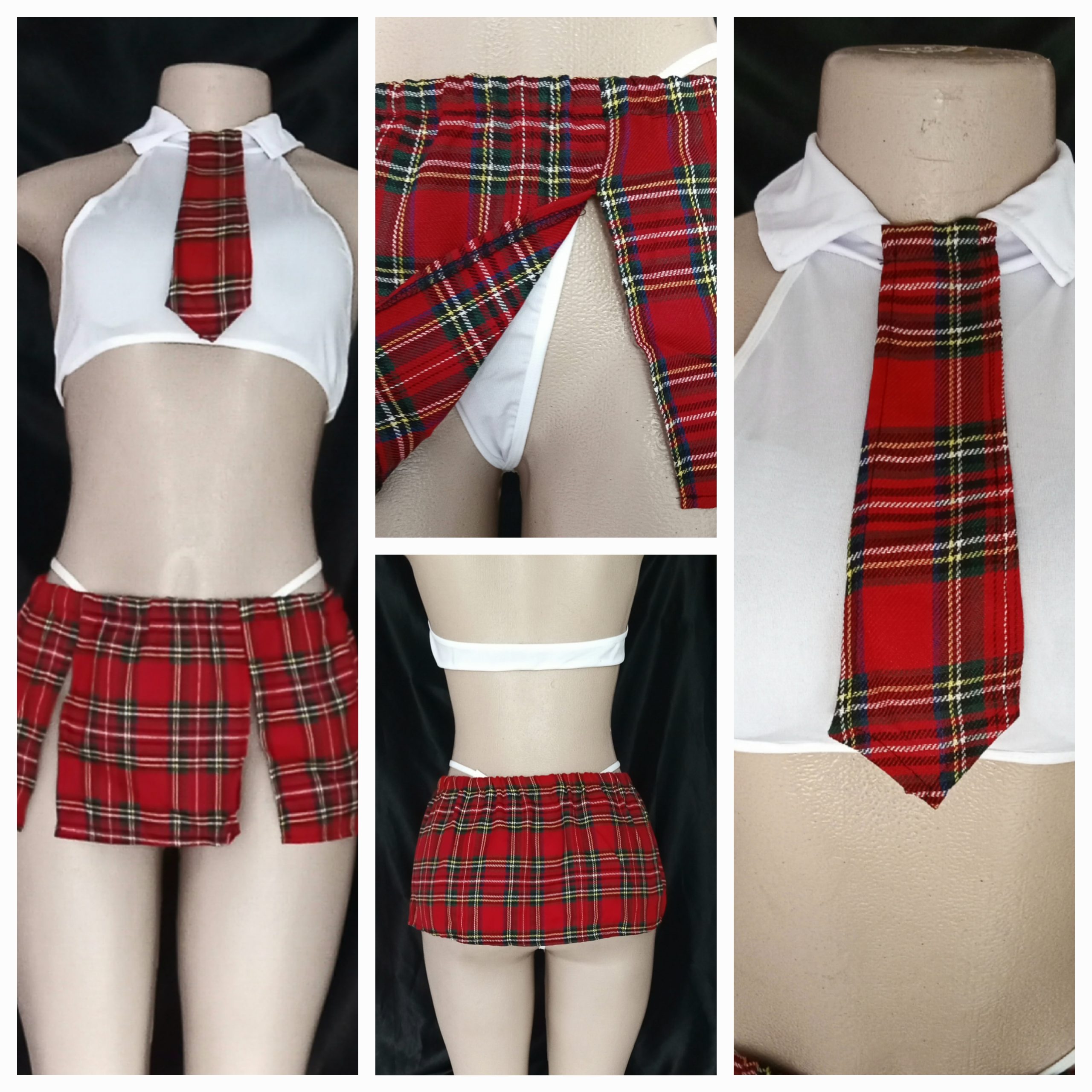
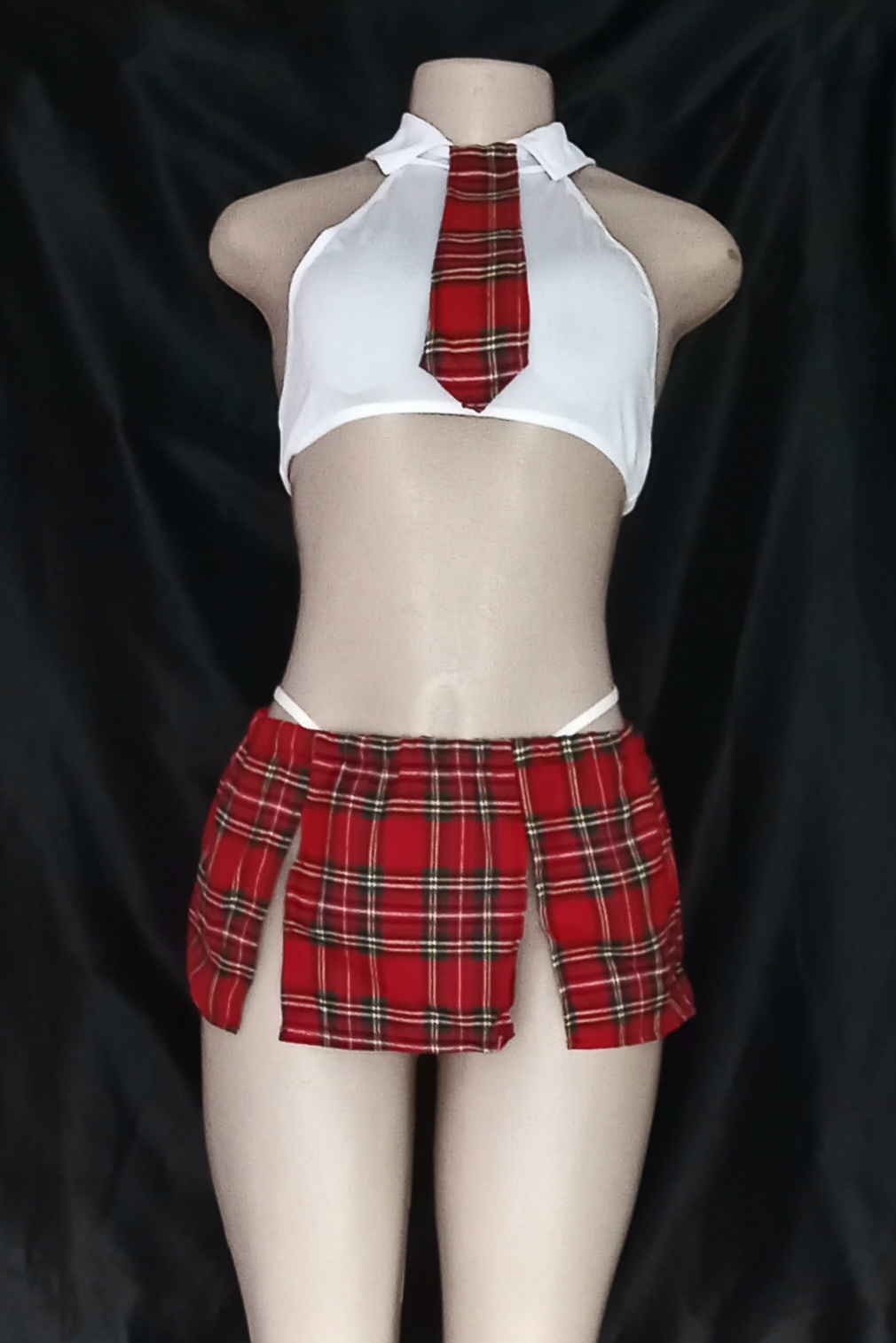
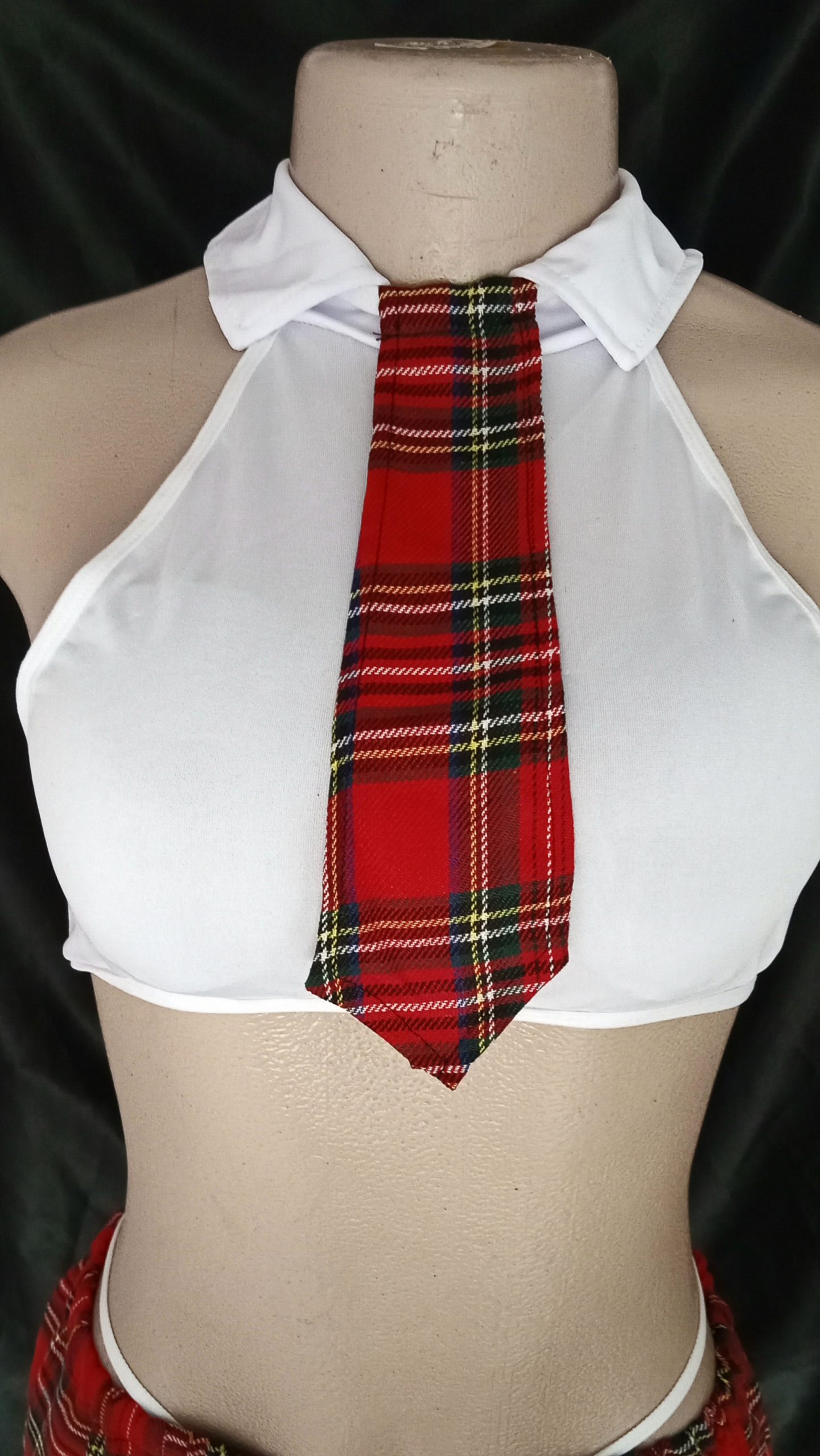
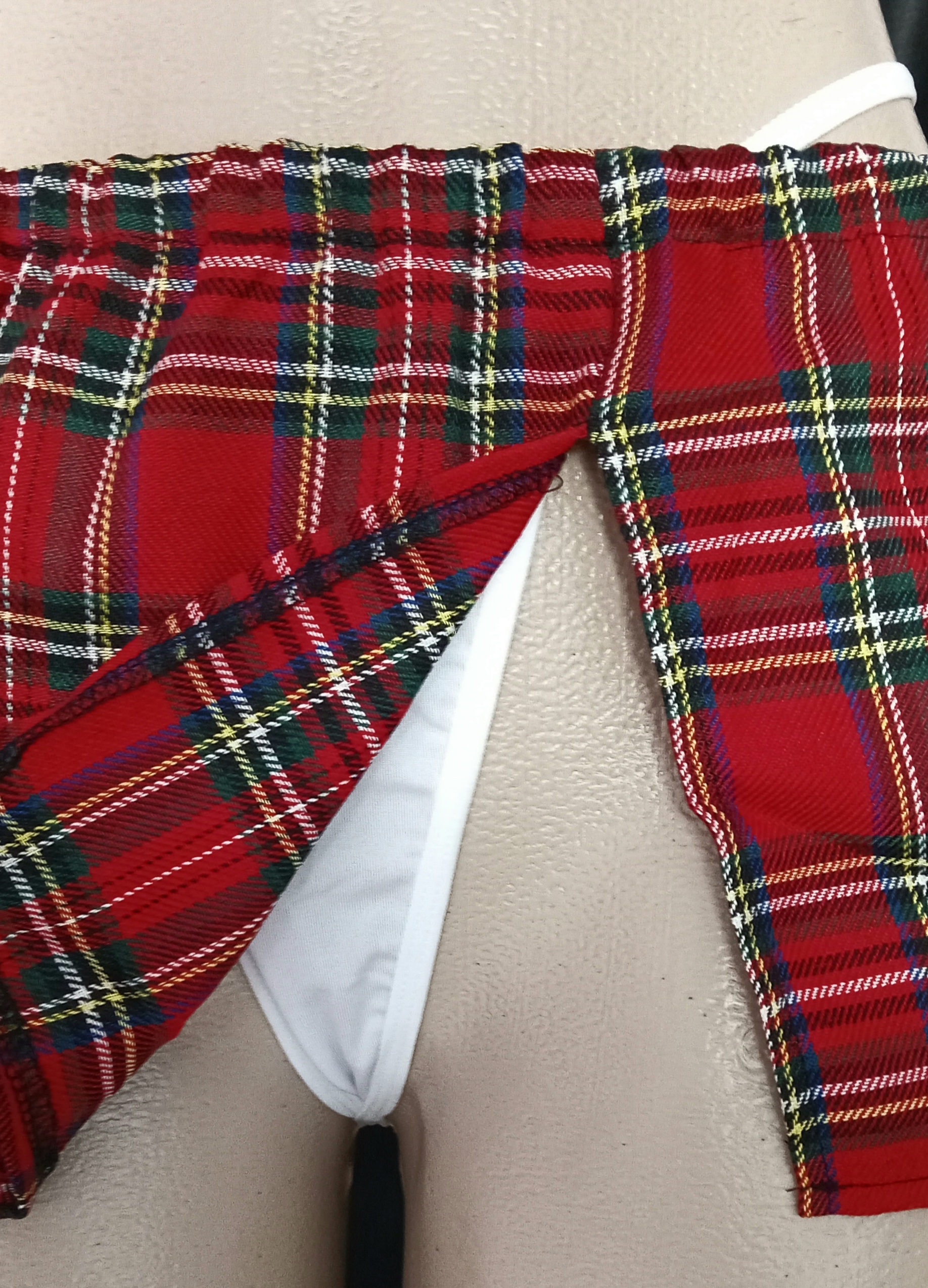
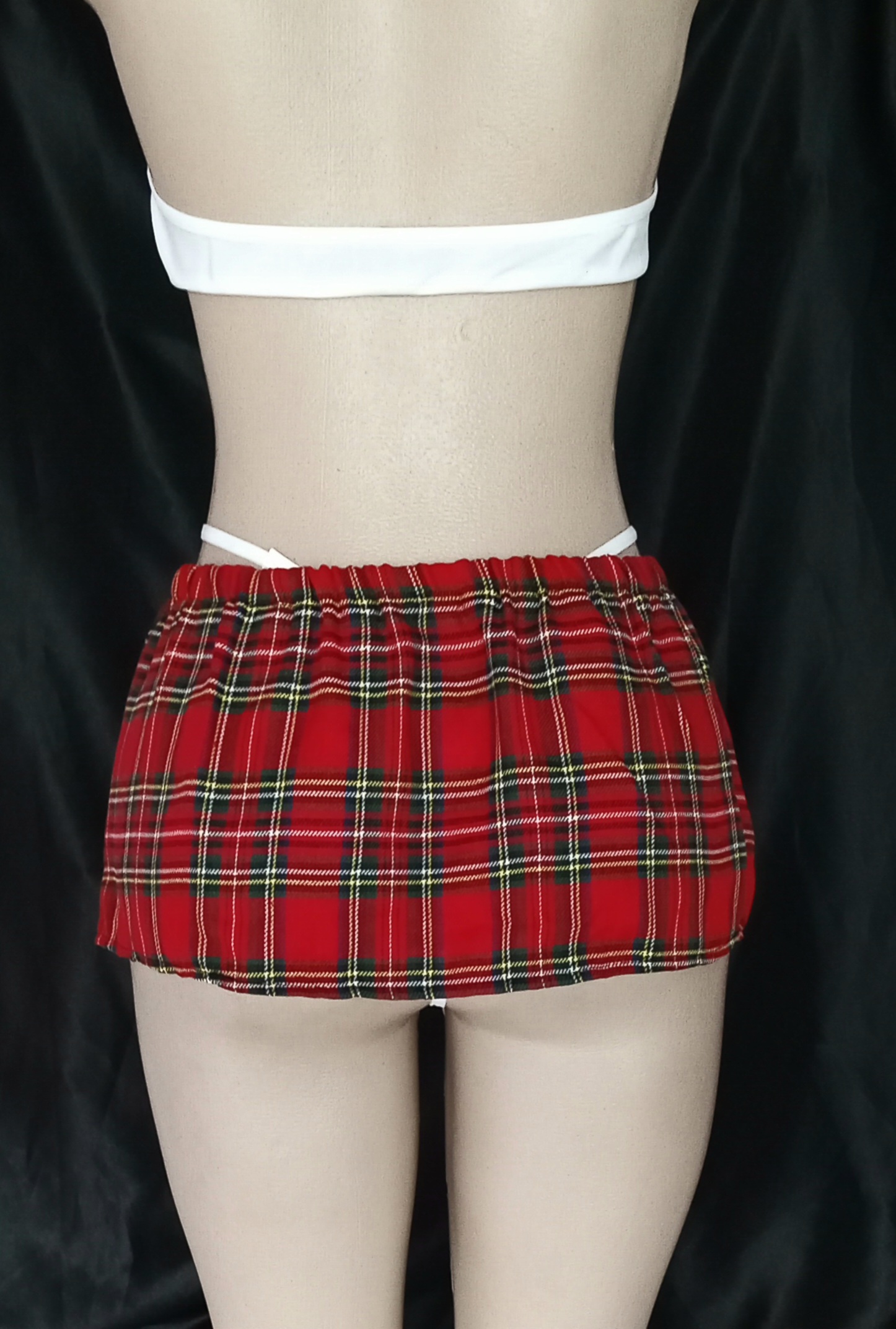
| Sizes | Available in Medium, Large, XL, XXL |
|---|
8 in stock (can be backordered)
Using role-playing outfits in intimate settings is common because they can enhance emotional connection, excitement, and creativity in a relationship. Here’s a breakdown of reasons people do it:
Allows individuals to step into a different persona, which can break the routine of everyday life.
Helps explore fantasies safely, without judgment, in a playful environment.
Novelty stimulates the brain, releasing dopamine, which increases sexual excitement.
Wearing costumes can make familiar partners feel “new” or intriguing.
Costumes can symbolize different roles (e.g., teacher/student, boss/employee) to safely explore dominance, submission, or authority dynamics.
Offers a structured way to express desires that might be hard to articulate in normal life.
Role-playing encourages laughter, creativity, and shared imagination, strengthening intimacy beyond physical attraction.
Helps partners communicate desires indirectly through characters or scenarios.
Wearing outfits that one finds attractive can increase self-esteem, which can enhance sexual confidence.
Stepping into a character can help let go of self-consciousness, focusing more on enjoyment.
Planning and preparing outfits or scenarios creates anticipation and excitement, prolonging the intimate experience.
Transforming a partner’s appearance can feel like a playful ritual or performance, adding intensity.
Discuss fantasies openly: Share what intrigues you and ask your partner what appeals to them.
Set boundaries: Agree on what’s off-limits (e.g., certain outfits, gestures, or actions).
Use “Yes/No/Maybe” lists: A helpful way to explore interests without pressure.
Start with small elements, like accessories (glasses, ties, or socks) instead of full costumes.
Introduce light teasing or playful hints to gauge comfort levels before fully committing.
Pick something that makes both partners feel excited and comfortable.
Consider practicality: Avoid overly restrictive outfits that could cause discomfort or embarrassment.
Make it fun and creative, not just about appearance—accessories, props, and colors matter.
Agree on a safe word or signal in case someone feels uncomfortable.
Regularly check in verbally or nonverbally during the experience to ensure both partners are enjoying it.
Focus on fun and exploration, not performance or perfection.
Incorporate humor and laughter—role-playing is meant to enhance connection, not pressure anyone.
Build anticipation with preparations together: shopping for outfits, trying on pieces, or setting the scene.
Use lighting, music, or props to create a safe, immersive environment.
After the session, talk about what felt good or awkward.
This strengthens trust and understanding for future experiences.